
How to Manage Multiple WordPress Sites: 10 Best Tools for 2026
Learn how to manage multiple WordPress sites effortlessly with the best WordPress management tools.


If you manage more than five WordPress sites, logging into each one to run updates, check backups, and chase broken plugins isn’t sustainable. The right management tool runs those workflows from a single dashboard. The wrong one costs you time and can turn WordPress maintenance into something not profitable. This article compares the 10 best WordPress management tools for agencies in 2026, with pricing, real pros and cons, and a clear answer to which one for which agency.
TL;DR, the short version.
- Best all-round for agencies (5-500+ sites): WP Umbrella. €1.99/site/month, every feature included, extreme reliability, EU-based, GDPR-compliant.
- Best if you’re on GoDaddy hosting: ManageWP. native fit, but functionally stagnant.
- Best self-hosted: MainWP. open-source, free core, you run the dashboard server. Require significant security knowledge to secure the installation.
- Best if you already run WPMU DEV plugins or BlogVault: The Hub or WP Remote, respectively, mostly for one-vendor consolidation.
- Watch out for: per-site plugins sold as “management” and “free core + paid extensions” pricing which will drain your productivity.

A note on this comparison
We publish this list and we make WP Umbrella, which we’ve ranked #1. We’ve done our best to be fair. Pricing comes from each vendor’s published pricing page (verified 2026-05-26), G2 and Trustpilot scores are linked, and each tool’s “Cons” section names a real concern we’d raise to a client considering it. We also call out below where each competitor would beat WP Umbrella for a specific use case.
If you read something inaccurate, tell us and we’ll fix it.
Why agencies need a multi-site management tool
A single WordPress site needs an hour or so a week to stay safe and fast.
Multiply that by twenty client sites and you’re burning a half-week of agency time on work the client never sees. And one silent failure (missed update, corrupted backup, expired SSL) usually surfaces from the client at the worst moment. A management tool runs those workflows in bulk, proves the work to clients with automated reports, and lets the maintenance you sell stay deliverable at scale.
Most agencies package that maintenance as WordPress care plans, fixed monthly plans priced per site, and the management platform is what keeps those plans profitable.
The shortlist below is scored on nine agency-relevant features in the scorecard table. If a tool covers fewer than six of them only via paid add-ons, run the cost math at your real portfolio size before signing.
What to look for in a WordPress management tool
Before you pick a tool, decide what matters at your agency’s scale. Here are the key criterias to pay attention to:
- Pricing model. Per-site flat fee vs tiered plans vs free-core-plus-add-ons. At 50 sites, a €1.99/site flat fee is €100/month total; a tiered plan capped at 50 sites for $147/year hides add-on costs that change the math. Run the numbers at your real agency size.
- Hosted SaaS vs self-hosted. Self-hosted (MainWP, InfiniteWP) means you maintain the admin panel server, handle GDPR, and own the security surface. Hosted SaaS (WP Umbrella, ManageWP, WP Remote) means someone else handles that, usually the right trade-off unless you have a dedicated DevOps practice.
- Safe updates with rollback. Visual regression and auto-rollback aren’t just nice-to-haves. The cost of one broken client site post-update is probably higher than a year of any of these tools. It kills your productivity and can damage your reputation.
- Backup retention + restore. Daily is the floor for active client sites. Hourly is needed for WooCommerce. Encrypted, off-site, EU storage matters for GDPR.
- Vulnerability data source. A first-party CVE feed (Patchstack, Wordfence) updated every few hours beats a quarterly scan against a static list.
- White-label reporting. Agencies need PDFs with their brand, their domain, their tone. If the reporting feature is “we generate a PDF with our logo,” that’s a tool for freelancers, not agencies.
- Team access pricing. Per-seat charges punish growth. Look for unlimited team members in the base price.
- Support model. Real human support in your timezone vs community forum vs chatbot.
- EU / GDPR posture. If you serve European clients, infrastructure region and data-processing terms matter and most US tools are vague about them.
Score each tool below against the criteria that matter for your agency, not against the ones a tool happens to be best at.
10 best WordPress management tools: quick comparison
The table compares the ten tools below at the agency-relevant headline: monthly cost per site at typical agency portfolio size, plus G2 and Trustpilot scores (verified 2026-05-26).
| # | Tool | Cost per site (50-site portfolio) | G2 | Trustpilot | TL;DR |
|---|---|---|---|---|---|
| 1 | WP Umbrella | €1.99/mo, all features included | 4.9/5 | 5/5 | Hosted SaaS, flat per-site pricing, all features included, EU-based |
| 2 | ManageWP | from $1/site/mo, add-ons priced separately | 4.2/5 | 3.6/5 | Hosted SaaS, GoDaddy-owned, functionally stagnant for years; recent UI/roadmap work is cosmetic, core features lag the market |
| 3 | MainWP | MainWP · $199/year unlimited (or $599 lifetime) | 4.6/5 | 4.3/5 | Self-hosted, open-source, free core + paid extensions |
| 4 | Solid Central (formerly iThemes Sync) | from $69/year (5 sites); Solid Suite from $199/year. pricing restructuring under Kadence post-May 2026 | n/a | 2.4/5 | Part of SolidWP suite; strong staging/deployment workflow in Pro tier. SolidWP brand dissolved May 12 2026, folded into Kadence with an unclear pricing. |
| 5 | InfiniteWP | $347/year Freelancer (50 sites), ~$0.58/site/mo + add-ons | 4.1/5 | 3.8/5 | Self-hosted free core, paid tiers for site cap + features |
| 6 | WP Remote | from $1.99/site/mo (Essential), $4.99 (Premium), $19.99 (Advanced); | 4.6/5 | 4.2/5 | Hosted SaaS, security-focused, India-based |
| 7 | mySites.guru | $19.99/month unlimited sites, single flat tier | n/a | n/a | Long-running (since 2012); manages WordPress + Joomla + Drupal + Laravel + HTML; flat single-tier pricing |
| 8 | WPMU DEV The Hub | Free tier (1GB backup, monthly schedule); paid from $2.50/mo | 4.8/5 | n/a | Bundle that includes Smush/Hummingbird/Defender; free tier is restricted |
| 9 | Jetpack | from $24.99/site/mo (Complete plan) | 4.3/5 | 3/5 | Owned by Automattic; sold as plugin, not multi-site dashboard |
| 10 | WP Blazer | Free (5 sites) / Pro $19/mo (50) / Agency $39/mo (unlimited) | 4.3/5 | 3.9/5 | Smaller player; pricing scales by site cap |
Feature coverage scorecard
The headline price tells you what you’ll pay; this table tells you what you get for it. Each tool is scored across the eleven agency-relevant capabilities defined earlier
- ✅ shipped in the base price
- 🟡 available as a paid add-on or in a higher tier,
- ❌ not available.
| Tool | Updates + rollback | Backups | Uptime | CWV | Vuln scan | SSL alerts | White-label reports | Unlimited team | Public API | Score |
|---|---|---|---|---|---|---|---|---|---|---|
| WP Umbrella | ✅ | ✅ | ✅ | ✅ | ✅ | ✅ | ✅ | ✅ | ✅ | 9/9 |
| ManageWP | 🟡 | 🟡 | 🟡 | ❌ | 🟡 | ✅ | 🟡 | ✅ | ✅ | 3/9 |
| MainWP | ✅ | 🟡 | 🟡 | 🟡 | 🟡 | 🟡 | 🟡 | ✅ | ✅ | 3/9 |
| Solid Central (now Kadence Solid Central) | ✅ | 🟡 | ✅ | ❌ | 🟡 | ✅ | ✅ | ✅ | 🟡 | 5/9 |
| InfiniteWP | ✅ | ✅ | 🟡 | ❌ | 🟡 | 🟡 | 🟡 | ✅ | ❌ | 3/9 |
| WP Remote | ✅ | ✅ | ✅ | ❌ | ✅ | ✅ | 🟡 | ✅ | 🟡 | 6/9 |
| MySite.guru | ✅ | ✅ | ✅ | ❌ | ❌ | 🟡 | 🟡 | ✅ | ❌ | 4/9 |
| WPMU DEV The Hub | ✅ | 🟡 | ✅ | ✅ | ✅ | ✅ | ✅ | 🟡 | 🟡 | 6/9 |
| Jetpack | 🟡 | 🟡 | 🟡 | ❌ | 🟡 | ❌ | ❌ | ❌ | ✅ | 1/9 |
| WP Blazer | ✅ | ✅ | ✅ | ❌ | ❌ | 🟡 | 🟡 | ✅ | ❌ | 4/9 |
1. WP Umbrella
WP Umbrella is a hosted SaaS WordPress management platform priced at €1.99 per site per month with every feature included in the base plan. Built and EU-hosted by a 10-person team.

WP Umbrella is the multi-site management infrastructure we build at the company that publishes this comparison. It’s a hosted SaaS platform: one dashboard for updates, backups, monitoring, security, and white-label reporting, with a flat per-site price and every feature included in the base plan.
It’s currently used by 5,000+ agencies on 70,000+ WordPress sites (source: WP Umbrella, as of May 2026).
Core features

- Safe updates with visual regression and automatic rollback
- Security hardening with virtual patching, firewall, malware scanning, and a security driven activity log.
- Incremental encrypted backups (files + DB), 50-day retention, EU storage, GDPR-compliant
- Uptime monitoring with 1-60 min intervals across 5 global locations
- Core Web Vitals (LCP, INP, CLS) and PageSpeed tracking
- Continuous vulnerability scanning via Patchstack (every 6 hours)
- Broken link checker, PHP error monitoring, SSL/domain expiration alerts
- White-label PDF reports with 50+ variables for custom branding (logo, colors, domain, tone)
- Unlimited team members on every plan, role-based permissions
- Public REST API + Claude Skill integration for WordPress: WP Umbrella ships an official Claude Skill so agencies can query their portfolio, trigger updates, and generate client reports from Claude in natural language. As of May 2026, WP Umbrella is the only tool on this list with first-party Claude integration.
Pricing
€1.99 per site per month. Two optional add-ons sit outside the base: for security (virtual patching, malware scanning, activity log) at €2/site/month and hourly Backups at €2.49/site/month for WooCommerce. No seat charges, no tiers, no setup fees.
What people say
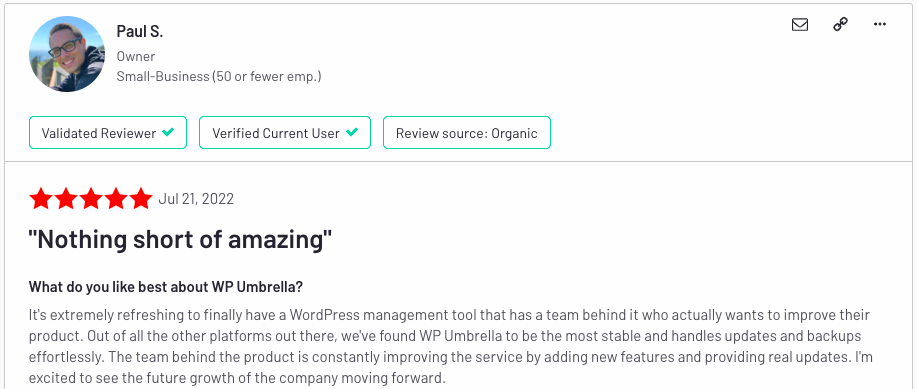
4.9/5 on G2, G2 “Easiest-to-use WordPress management tool” (Spring 2024) and 5/5 on Product Hunt.
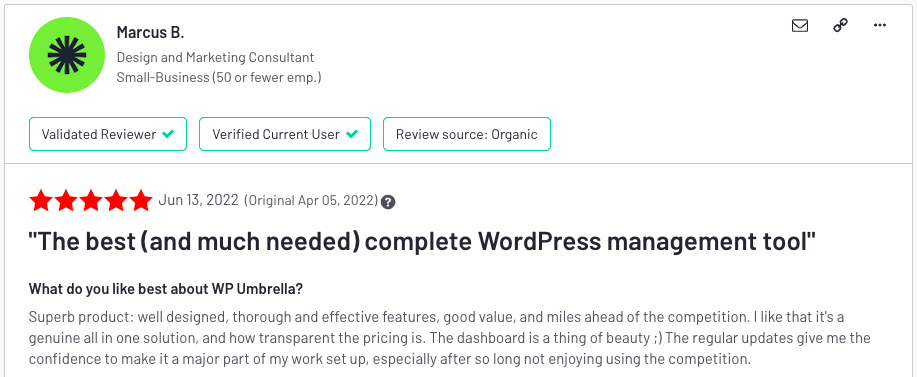
Pros about WP Umbrella
- All features in the base price, no add-on maze
- Modern interface designed for daily agency use, not buried under upsells
- EU-based, GDPR-compliant infrastructure
- Active weekly development with public roadmap
- Free migration service from ManageWP / MainWP / others
- Reliability
Cons about WP Umbrella
- Newer player than ManageWP (founded 2021); fewer years of public track record
- 10-person team, not the scale of WPMU DEV or Automattic.
- Managed Hosted-only, if you need a self-hosted admin panel for compliance reasons, MainWP fits better
Best for
Agencies and freelancers running 5-500+ client sites who want one dashboard that does updates, backups, monitoring, security, and reporting without seven separate tools or a tiered upgrade path.
2. ManageWP
ManageWP is a hosted WordPress management dashboard owned by GoDaddy, with a free tier for basic updates and per-site paid add-ons for backups, monitoring, security, and reporting.

GoDaddy acquired ManageWP in 2016. It was the category leader at the time. The December 2025 UI refresh shipped to Early Access is the most visible product change in the nine years since.
The dashboard still works, and the free tier covers basic updates for unlimited sites, but every feature an agency actually buys this category for (backups, uptime, white-label reports, security) is a separate per-site add-on.
The team brought the roadmap back in September 2025, shipped a website redesign in August, but the work is cosmetic: a new website, a new dashboard skin, and a roadmap page only.
Core features like advanced monitoring or Public API, are still missing from ManageWP today. A new roadmap does exist; product evolution has not yet followed.
Core features
Updates, backups (via paid Backup add-on), uptime monitoring (paid add-on), client reports (paid add-on), security scans (Sucuri or Wordfence integration, paid). The free tier covers basic updates only. Most features beyond updates are priced as separate add-ons, billed per-site.
Pricing
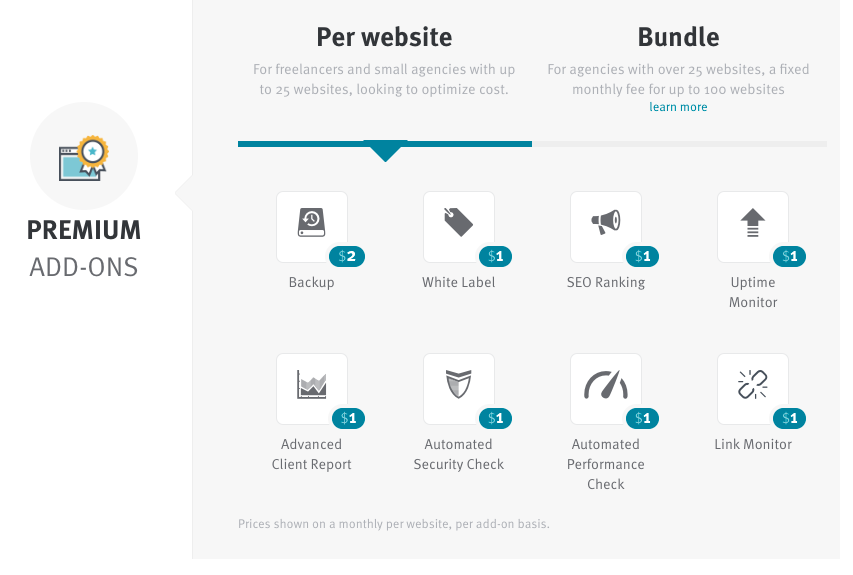
Free for unlimited sites with basic updates only. Backups, monitoring, performance checks, security, and reporting are sold as add-ons starting at $1/site/month each. A typical agency configuration (backups + uptime + reports + security) runs $3-$8/site/month, well above flat-fee competitors at 50+ sites.
What people say
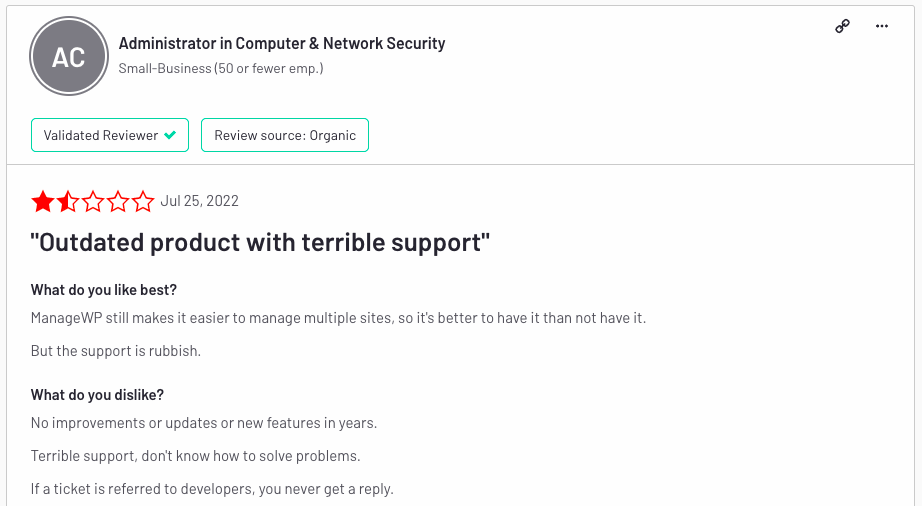
4.2/5 on G2, 3.6/5 on Trustpilot. Long historical user base; recent reviews split between “the UI refresh is overdue but welcome” and “still missing features I expected three years ago.”
Pros About ManageWP
- Largest historical install base, well-known and well-documented
- Free tier with unlimited sites for basic updates
- Owned by GoDaddy, long-term operational stability is not in doubt
- Signs of life in 2025 (roadmap returned, UI refresh in Early Access)
Cons About ManageWP
- Functionally stagnant for years under GoDaddy: feature surface has barely moved since ~2018
- 2025 activity has been cosmetic (UI, marketing site, roadmap page); substantive product work is still on a “planned for 2026” list with no shipped releases yet.
- Add-on pricing math is unfriendly at 50+ sites; total cost can exceed flat-fee competitors by 3-5×
- Reporting is functional but less customizable than agency-focused tools
Best for
Agencies already on GoDaddy hosting where the integration is non-negotiable. For anyone else, the recent activity isn’t yet enough to bet a 50-site portfolio on, wait until the “planned for 2026” features actually ship.
Compare WP Umbrella vs ManageWP →
3. MainWP
MainWP is an open-source, self-hosted WordPress management dashboard: free core plugin on WordPress.org plus a Pro bundle at $199/year (or $599 lifetime) that unlocks the 30+ extensions. These integrations are what makes MainWP both weak and strong at the same time.

If you want the dashboard server inside your own infrastructure, for GDPR posture, for data ownership, for compliance, MainWP is the cleanest self-hosted option in this category. You install the MainWP dashboard plugin on a WordPress site you own and a child plugin on each client site.
However be careful, and treat the self-hosting as a real ongoing commitment, not a “free” alternative. You’re now responsible for the server’s uptime, security, and GDPR posture.
Core features
Updates, bulk plugin/theme management, basic monitoring. Backups, advanced reporting, branded UI, advanced security all require paid extensions.
Pricing
The MainWP Dashboard plugin and Child plugins are free on WordPress.org. The Pro bundle covers all extensions and priority support at three price points: $29/month, $199/year, or $599 lifetime. All unlimited sites. On the top of this, you need to had several services like uptime monitoring, third-party backup, hosting the server, etc.
What people say
4.6/5 on G2, 4.3/5 on Trustpilot. Strong following among technically-confident agencies who prefer self-hosting.
Pros about mainWP
- Open-source, self-hosted, no vendor lock-in
- Lifetime pricing options available
- Strong WordPress-native plugin ecosystem
- You own all the data and the dashboard serve
Cons about mainwp
- You’re now responsible for hosting + securing + maintaining the dashboard server.
- Require a lot of SySAdmin and security knowledge to secure the installation.
- GDPR posture becomes your problem, not the vendor’s
- Setting up extensions takes time; “free” doesn’t mean “configured”
- Bulk operations across 100+ sites can stress an underpowered host
- Total cost of ownership high.
Best for
Technical agencies and developers who already run their own infrastructure and want full control of the dashboard environment.
Compare WP Umbrella vs MainWP →
4. Solid Central (now Kadence Solid Central, formerly iThemes Sync)

⚠️ Major change, May 12, 2026
Liquid Web dissolved the StellarWP umbrella brand and consolidated its WordPress portfolio into four flagship products: Kadence, LearnDash, The Events Calendar, and GiveWP. SolidWP was discontinued as a standalone brand. Solid Security is now “Kadence Security.” Solid Backups is now “Kadence Solid Backups – NextGen.” Solid Central continues to exist as “Kadence Solid Central”.
The original solidwp.com and stellarwp.com domains now redirect to Liquid Web landing pages. The rollout drew significant community backlash over lifetime-license treatment, forced bundling (former SolidWP security customers must now buy Kadence Pro at $219/year: a 2.2× jump that also forces the Kadence theme), and a chaotic communications rollout.
For agencies evaluating the product today, the dashboard still works, but you’re now committing to a vendor whose brand-trust posture just took a public hit, with pricing and packaging that may continue to shift through 2026. We’ve left the rest of this section’s analysis intact for reference. Treat any pricing or feature claim below as “verify on liquidweb.com before purchase.”
Core features
WordPress core, plugin, and theme updates with bulk operations across the portfolio. The current Solid Central dashboard organizes per-site management into tabs: Timeline (chronological activity log of Central and on-site events), Admin (1-click access + user / posts / pages / settings management), Site Audit (SEO and site-health analytics), Backups, NextGen (Solid Backups integration), Security (Solid Security integration), Search Console (Google Search Console data inside Central), Optimize, and StellarSites (hosting integration). Uptime monitoring is powered by UptimeRobot under the hood. White-label client dashboards let you control exactly what the client sees inside WP-Admin.
Pricing
Post-May-12-2026 the Suite bundle as such no longer exists in the same form: SolidWP security and Solid Central customers are being migrated to Kadence Pro ($219/year) and the bundling story is now Kadence-centric rather than SolidWP-centric.
What people say
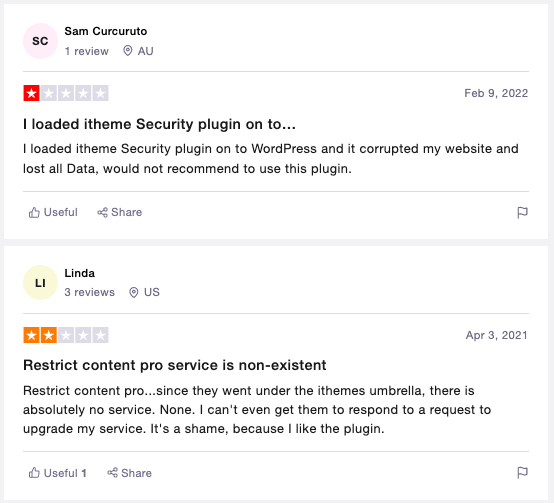
Kadence Central is rated 4,2/5 on WordPress, the review on Trustpilot for iTheme security are not looking good.
Pros about WP Kadence central
- Tight integration with Solid Backups + Solid Security (now Kadence Solid Backups + Kadence Security), one vendor relationship, one billing line if you’re committed to the Kadence stack
- White-label client dashboards with controllable admin access. Good for delivering managed-service portals to clients
- Google Search Console integration inside the dashboard.
- Backed by Liquid Web, an operationally stable parent (founded 1997), though the brand-portfolio strategy has been volatile through 2023-2026
Cons about kadence central
- Brand and packaging just got dissolved (May 12, 2026). Solid Central still works but it’s now “Kadence Solid Central”; the SolidWP brand, portal, and pricing structure agencies onboarded against no longer exist. Pricing and bundling are being actively rewritten.
- Most useful only if you’re committed to the widerKadence (formerly Solid / iThemes) ecosystem. Standalone, it’s less compelling than focused competitors
- Vulnerability scanning depends on Kadence Security (formerly Solid Security) plugin running on each site, which is slower than first-party CVE feeds (Patchstack, Wordfence)
- Pricing model is per-site-cap tiered (5 / 10 / 25 / 50 / 100), so agencies that fall just above a tier boundary pay for unused headroom
- Central alone doesn’t include backups or security, the realistic cost is the expensive Suite bundle.
Best for
Agencies already standardized on Kadence (formerly Solid) Backups + Kadence Security who want one vendor for the whole stack and are willing to accept the May 2026 consolidation turbulence as a short-term cost. For agencies actively shopping the category today, this is the section most worth re-checking on liquidweb.com directly, what’s accurate at publish time may shift within weeks.
5. InfiniteWP
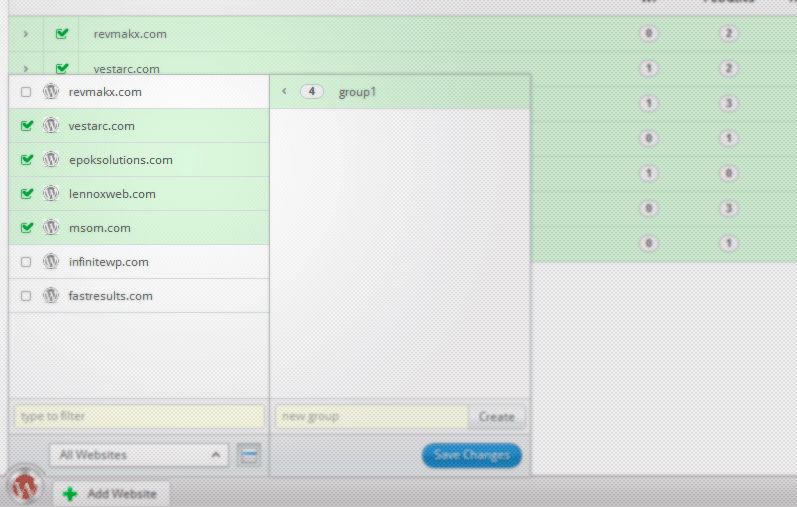
If you read one section in this comparison and trust the rest, read this one carefully. InfiniteWP works, but the dashboard has had recurring security issues, the review base is thin, and the “free core” only covers basic updates. Every agency-grade feature lives behind paid tiers or per-feature add-ons. Same self-hosted shape as MainWP: you install the admin on a server you control plus a connector plugin on each client site.
Core features
Updates, backups, basic monitoring. Uptime monitoring, malware scanning, and Google Analytics integration are sold as separate add-ons.
Pricing
Five tiers verified at the InfiniteWP pricing page:
- Starter: $147/year (10 sites)
- Developer: $247/year (20 sites)
- Freelancer: $347/year (50 sites)
- Agency: $447/year (unlimited)
- Enterprise: $647/year (unlimited + priority support)
Add-ons: Uptime $97/year, Malware $127/year, Google Analytics $147/year.
What people say
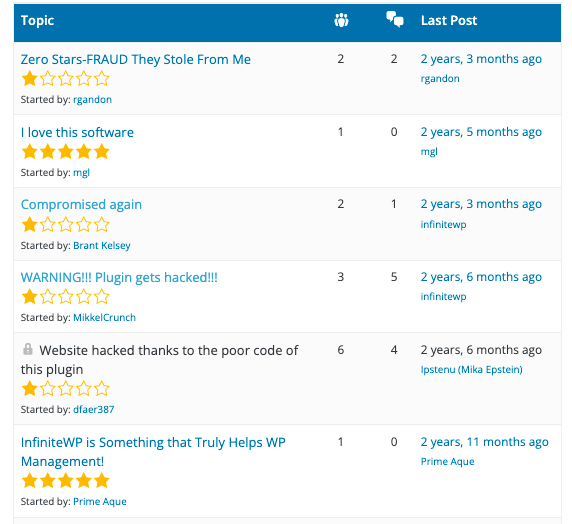
4.1/5 on G2, and 3.8/5 on Trustpilot. Overall very little review about this platform and a lot of complains on the official plugin directory page.
Pros about Infinitewp
- Self-hosted control and GDPR compliance
- Core features are free
- Maintenance reports are nice
Cons about Infinitewp
- Self-hosted server is your responsibility
- Had serious security issues in the past and people keep complaining about it
- Old-fashioned and cluttered dashboard
Best for
Honestly, InfiniteWP is not a trustworthy tool for an agency-grade real maintenance activity. It’s however a good fit for your own PBN, and large network of multi-sites.
Compare WP Umbrella vs InfiniteWP →
6. WP Remote
WP Remote is a hosted SaaS WordPress management platform from BlogVault, focused on security and safe updates, with per-site monthly pricing across four tiers: Free, Essential ($1.99/site/month), Premium ($4.99/site/month), and Advanced ($19.99/site/month).
WP Remote is what BlogVault built when it wanted a multi-site dashboard around its own backup and malware stack. Same parent company, same backup engine, tighter integration than any other tool here for that specific job. The free tier omits the safe-updates and visual-regression features that make the paid tiers actually competitive.
Core features
Updates management, backups (BlogVault-powered), malware scanning, vulnerability alerts, uptime monitoring, one-click staging (28-90 days depending on tier), form testing, geo-blocking, activity logs, and white-label client reports (paid tiers).
Pricing

- Free: updates, uptime monitoring. No backups, no safe updates, no visual regression.
- Essential: $1.99/site/month: adds daily automated backups (50-day retention), one-click restore, safe updates, visual regression (home page), plugin whitelabel, white-labeled reports.
- Premium: $4.99/site/month: adds malware scanning, 90-day backup retention.
- Advanced: $19.99/site/month: adds 180-day backup retention, 60-day activity logs, form testing.
What people say

4.2/5 on Trustpilot on a small review base.
Pros
- Tight integration with BlogVault for backups + malware scanning
- Security-first orientation
- Reasonable per-site cost at the Pro tier
Cons
- White-label gated behind the $49/mo.
- UI carries some legacy patterns from earlier BlogVault generations
- Data residency: India-based infrastructure; verify before signing EU clients
Best for
Agencies who already use BlogVault for backups + malware scanning and want a management dashboard from the same vendor.
Compare WP Umbrella vs WP Remote →
7. MySite.Guru
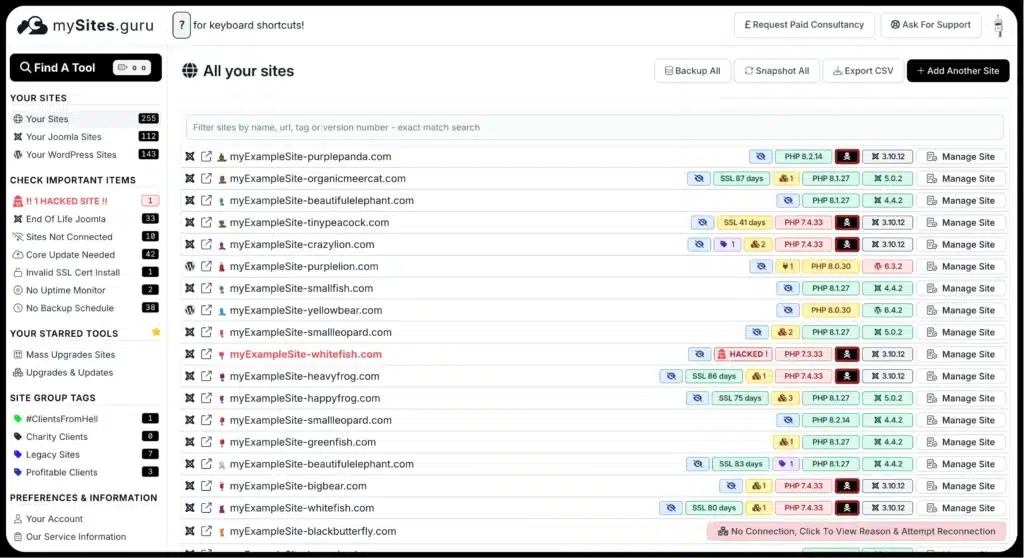
mySites.guru is a multi-platform site management tool in operation since 2012, one of the older entries on this list. Notably, it manages WordPress and Joomla, Laravel, Drupal, and even plain HTML sites from one dashboard.
Core features
Bulk updates across plugins, themes, and core, automated backups with third-party provider, uptime monitoring, file-level malware scanning with CVE alerts; white-label activity reports, unlimited team members with role-based permissions; manages multi-platform sites beyond WordPress (Joomla, Laravel, Drupal, HTML).
Pricing
Single tier at $19.99/month for unlimited sites and all features. Annual option referenced but exact annual price not displayed on the pricing page. Free audit available with no credit card required.
What people say
WP Mayor 4.6/5 (referenced on their site). No G2 or Trustpilot ratings located in this verification pass.
Pros
- Flat single-tier pricing at $19.99/month for unlimited sites.
- Manages WordPress + Joomla + Laravel + Drupal + HTML sites from one dashboard.
- Long operational track record (since 2012, 14 years continuous)
- Unlimited team members + role-based permissions in the base price
Cons
- Probably the worst UX/UI of this category.
- Performance and Core Web Vitals monitoring not surfaced in the verification pass.
- The multi-platform focus (WP + Joomla + Drupal etc.) dilutes WordPress-specific depth. If you only manage WordPress site, dedicated WordPress management tools will offer more WordPress depth and reliability.
Best for
Agencies and operators who manage mixed-platform portfolios (WordPress + Joomla + Drupal + custom apps) and want a single dashboard across all of them, or anyone who prefers a flat single-tier pricing model with a long operating history.
8. WPMU DEV The Hub
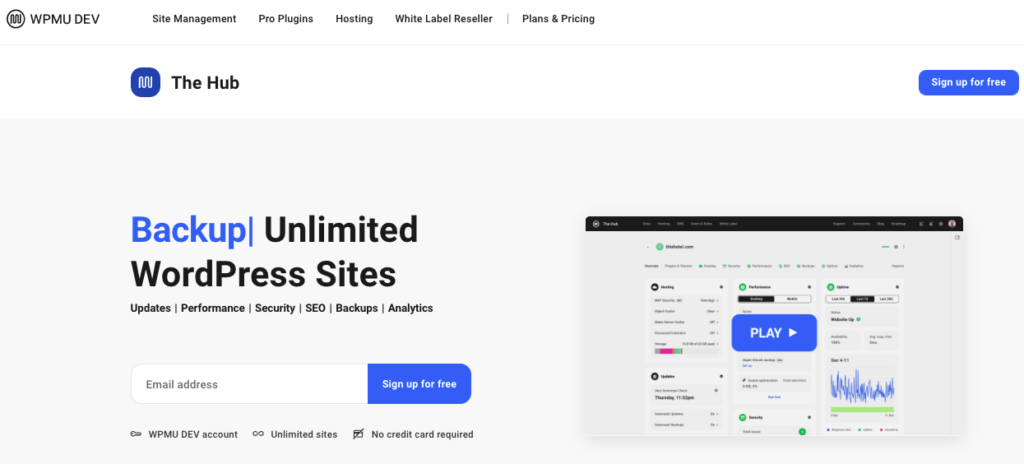
The Hub is WPMU DEV’s multi-site dashboard, bundled with their plugin suite (Smush, Hummingbird, Defender, Forminator). A Free tier exists but is heavily restricted (1 GB backup storage, monthly schedule only).
Core features
Updates, backups, performance and SEO scans, security via Defender, image optimization via Smush. Tight integration if you’re using the WPMU DEV plugin stack.
Pricing
Free Hub tier with hard restrictions (1 GB backup, monthly schedule, plugins limited to WordPress.org + favorites). Paid plans, billed annually:
- Basic $3/mo (1 site)
- Standard $5/mo (3)
- Plus $10/mo (10)
- Premium (unlimited, price hidden, Premium includes a $200/year hosting credit and 50% off WPMU DEV hosting).
What people say
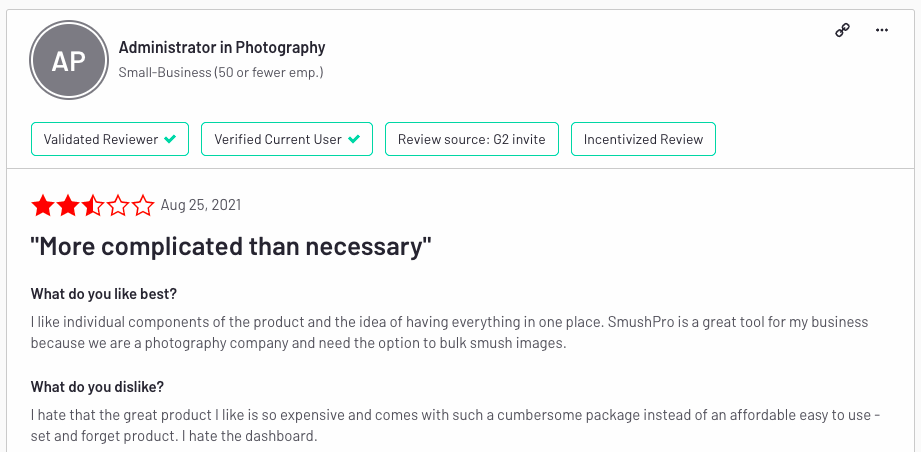
4.8/5 on G2 on a large review base, mostly reflecting the bundled plugin suite, not the Hub alone.
Pros about the hub
- “Free Hub” tier exists for occasional maintenance use
- Tight integration with the WPMU DEV plugin suite (Smush, Hummingbird, Defender)
- Hosting + management bundled if you go premium
Cons the hub
- Free tier limitations make it impractical for active agency use (monthly backups + 1 GB storage)
- Most value depends on running the WPMU DEV plugin stack, vendor lock-in
- Plugin updates from outside WPMU DEV’s curated set are restricted on free tier
Best for
Agencies committed to the WPMU DEV plugin stack who also want their management dashboard from the same vendor.
9. Jetpack
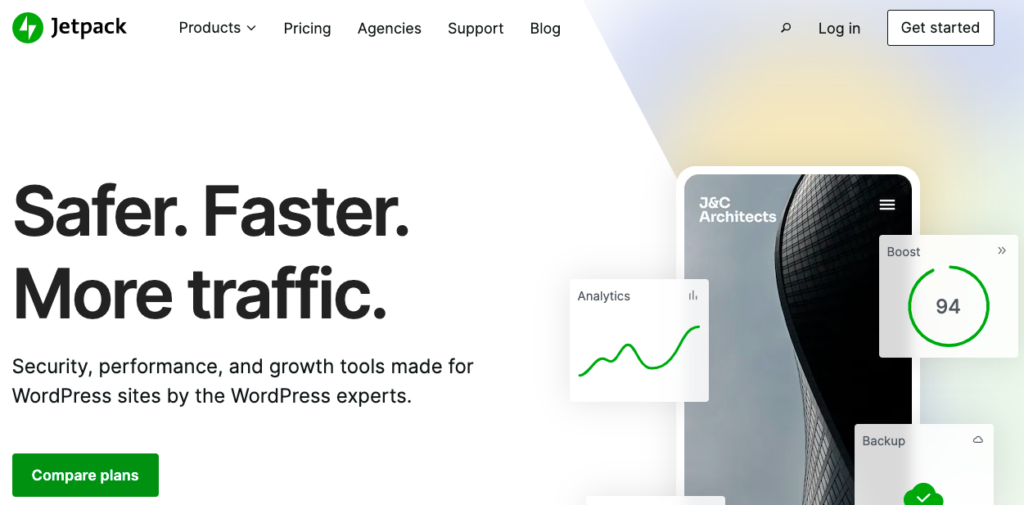
Jetpack is Automattic’s plugin (the company behind WordPress.com). It’s sold as a per-site plugin with various paid tiers, not as a multi-site dashboard in the agency sense, but it does offer remote management via WordPress.com login.
Core features
Backups (VaultPress), security (Akismet, malware scanning), performance (image CDN, lazy loading), site stats, social tools.
Pricing
Jetpack Complete comes at $50/site/month at full price (billed annually). Currently advertised with a 50% introductory promo bringing the first year to $24.95/site/month, but this is a first-year promo, not the ongoing rate.
Jetpack Security bundle (VaultPress Backup + Scan + Akismet) is $19.95/site/month regular ($9.95/month promo, first year). Individual products (Backup, Stats, AI, Search, Social, VideoPress, Boost) are available separately.
All pricing is per-site. At a 50-site portfolio, full-price Complete is $2,500/month ≈ $30,000/year. No agency or bulk-licensing tier appears on Jetpack’s public pricing.
There is no agency or bulk-licensing tier surfaced on Jetpack’s public pricing.
What people say
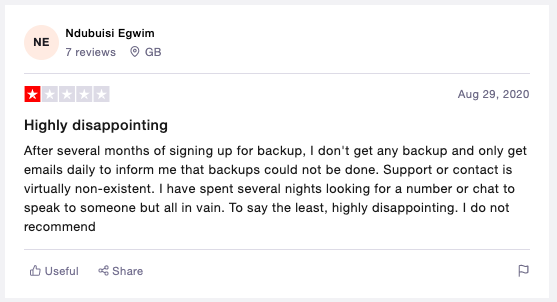
4.3/5 on G2, 3/5 on Trustpilot. People mostly complain about poor customer service, the impact of Jetpack on loading times, and conflicts with other plugins.
Pros about Jetpack
- Made by Automattic, the company that builds WordPress.com
- Tightest integration with the WordPress.com / WooCommerce ecosystem
- Strong backups (VaultPress) and Akismet anti-spam
Cons about jetpack
- Sold per-site at $50/site/month full price for Complete, at a 50-site portfolio that’s $2,500/month at full price, or $1,250/month even on the 50% intro promo. Price scaling kills agency economics either way.
- Not designed as a multi-site management dashboard for an agency portfolio (no agency or bulk-licensing tier on public pricing)
- Promo pricing is first-year-only, renewals jump to full price, easy to mistake the intro rate for the ongoing rate
- Heavy plugin footprint; impact on site performance has been a long-running concern
- Requires a WordPress.com account for full functionality
Best for
Operators of a small number of WordPress.com-adjacent sites who specifically want VaultPress + Akismet + Automattic ecosystem features.
10. WP Blazer
WP Blazer is a smaller-team hosted management tool with four pricing options: a Free tier for up to 5 sites, Pro at $19/month for up to 50 sites, Agency at $39/month unlimited, and a Pay-As-You-Go option at $1.75/site/month.
Core features
Updates, backups, monitoring, basic reporting, scheduled tasks.
Pricing
Free for up to 5 sites · Pro $19/month, up to 50 sites · Agency $39/month, unlimited · Pay-As-You-Go $1.75/site/month. A 14-day free trial is available, no credit card.
What people say
WP Blazer is rated 4.3/5 on G2 and 3.9 on Trustpilot, but the plugin lacks reviews and is not listed on the official plugin directory of WordPress.
Pros about WP Blazer
- Designed to help bloggers
- Ideal for remote content management
Cons about WP blazer
- Very limited public information; due diligence is on you before signing client sites.
- No substantive product development in recent years.
Final thoughts: which tool for which agency?
Use this decision matrix to find the right fit for your specific situation, match the row that best describes your agency to the tool we’d recommend and the reason behind it.
| If your agency is… | Best fit | Why |
|---|---|---|
| Managing 5-500+ client sites and wants everything in one tool, flat pricing | WP Umbrella | €1.99/site/month, all features included, EU-hosted, GDPR-compliant, free migration |
| Already on GoDaddy hosting where the integration is non-negotiable | ManageWP | Native GoDaddy integration. |
| Running your own DevOps practice and wants full self-hosted control | MainWP | Open-source, self-hosted, no vendor lock-in, you own the dashboard server |
| Already standardized on the WPMU DEV plugin suite | WPMU DEV The Hub | One-vendor consolidation with Smush, Hummingbird, Defender |
| Already a BlogVault customer for backups + malware | WP Remote | Same vendor, tight integration, security-first orientation |
| Running 1-3 WordPress.com-adjacent sites and want VaultPress + Akismet | Jetpack | Tight Automattic ecosystem fit, does not scale to agency portfolios |
Start your WP Umbrella free trial → 14 days, no credit card.
Tools we considered but didn’t include
A few names come up that we deliberately left off the ten above for category or fit reasons, not quality. Calling them out so you can disambiguate:
- GoDaddy Pro Sites: often confused with ManageWP since the 2016 acquisition. GoDaddy Pro is the broader agency program (hub + tools + commissions). ManageWP is the management dashboard inside it. If you’re evaluating “GoDaddy Pro Sites” as a separate tool, you’re really evaluating ManageWP.
- WP Toolkit (cPanel / Plesk): host-level WordPress management bundled with cPanel and Plesk. Useful if you also manage the hosting layer, but it’s a hosting-panel feature rather than an agency multi-site tool. Different category, often complementary.
- Wordfence Central: the multi-site dashboard for Wordfence Premium. Security-only, doesn’t cover updates, backups, or reporting. Worth running alongside a management tool if your client contracts mandate Wordfence specifically.
Frequently asked questions about managing multiple WordPress sites
Use the decision matrix above to match your situation to the tool. The headline picks: WP Umbrella for most agencies on flat per-site pricing, ManageWP if you’re already on GoDaddy hosting, MainWP if you need a self-hosted dashboard you control end-to-end, mySites.guru if your portfolio mixes WordPress with Joomla/Drupal/Laravel.
Around five. Below that, logging into each site for updates and checking backups in the WordPress admin is workable. Above five, you’re losing more time to repetitive maintenance than the tool would cost.
Hosted SaaS (WP Umbrella, ManageWP, WP Remote) for most agencies, the vendor handles the dashboard server, security, and GDPR posture, which is one fewer thing to worry about. Self-hosted (MainWP, InfiniteWP) makes sense if you already run your own infrastructure, want full data ownership, or have compliance requirements that mandate dashboard residency. Self-hosting is a real ongoing commitment; treat it as another server you’re operating, not a “free” alternative and with all what’s going on security-wise in 2026, you might not want to have this liability.
No. You don’t have to keep up to date with all your plugins and themes. However, it’s often safer to use the last version available. Unless it’s a major security fix, we advise you to wait 24-48 hours before updating a plugin to its new version.
For most agencies, one of these tools is enough. The integrated tools (WP Umbrella, ManageWP with security add-on, WP Remote, The Hub) include vulnerability scanning, malware checks, uptime, and Core Web Vitals tracking: you don’t also need Wordfence, MainWP Security, or a separate uptime service.